





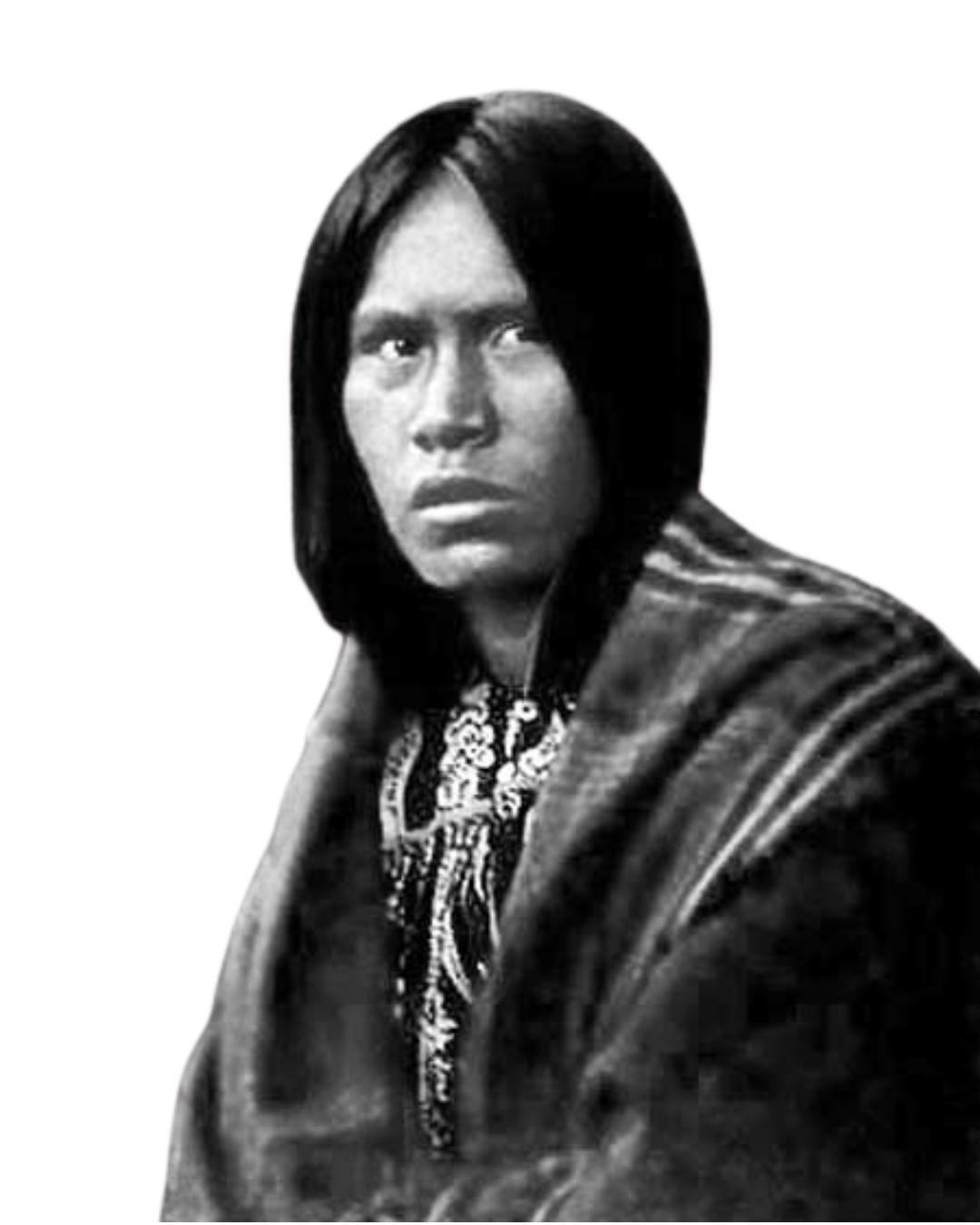
“Lozen is as my right hand. Strong as a man, braver than most, and cunning in strategy. Lozen is a shield to her people.”
— Chief Victorio, Lozen’s brother
Lozen
Apache Warrior, Shaman, and Protector of the Chihenne People
Born
c. 1840, Ojo Caliente, New Mexico
Identity
Gender-expansive warrior woman; described in the context of Two-Spirit identity by scholars
Known For
Decades of combat in the Apache Wars; rescue of a laboring mother across hundreds of miles of enemy territory; spiritual gifts of enemy detection
Era
The Apache Wars, 1860s–1886, died a prisoner of war in 1889
Lozen was born around 1840 near Ojo Caliente, the younger sister of Chief Victorio of the Chihenne Chiricahua Apache. She grew up in one of the great warrior cultures of the American Southwest, at the exact moment that culture was being systematically destroyed by both Mexican and U.S. military forces. She responded the only way her nature allowed: she became one of the most formidable warriors in Apache history.
From her coming-of-age ceremony, it was clear that Lozen would not follow a traditional women's path. She received a spiritual gift: an ability to sense the direction and distance of enemies by raising her arms in prayer and feeling a tingling in her palms. She used this ability in combat and in planning, becoming an essential strategic asset to her brother's forces and, after Victorio's death, to Geronimo himself.
She never married. She trained as a warrior, fought in dozens of engagements, participated in raids, served as a shaman and healer, and never stopped. When the last free Apache band surrendered to the U.S. military in 1886, Lozen was among them. She died of tuberculosis three years later in Mount Vernon Barracks, Alabama, a prisoner of war, far from the land she had fought to protect.
Who She Was
Her brother called her his right hand. History called her invisible.
She fought against erasure on every level: military, cultural, and spiritual.
Lozen's life was an act of resistance against multiple simultaneous forms of erasure: the U.S. military's campaign to eliminate the Apache people; the colonial culture's insistence on rigid gender roles; and the historical tendency to render women, especially Indigenous women, invisible. She refused all three.
Scholars have placed Lozen within the context of Two-Spirit identity, recognizing in her life the kind of gender variance that was present and honored across many Indigenous cultures. Her story belongs in this walk not just because of her bravery, but because she lived her full self in a world that offered her no room to do so, and did it anyway.
One story captures Lozen's character perfectly. In 1880, while the Apache were being relentlessly pursued by soldiers, a woman in their band went into labor. Lozen left the band, delivered the baby alone in the desert with the mother, and then, because the mother couldn't travel fast enough with a newborn, got them both to safety. She stole a horse. She evaded gunfire. She navigated across hundreds of miles of territory held by people trying to kill her, with an exhausted new mother and an infant. She got them home. Then she turned around and rejoined the warriors.
In 1880, she left the war to guide a mother through enemy territory. Then she went back.
The Journey
She was a warrior. She was a healer. She was a shaman. She defied every gender expectation her culture and the invading culture had available.
And she was completely, utterly herself.
History is bigger than one version of the truth. Keep exploring.
05/10
Their existence was an act of resistance.

The story doesn’t end here. Join us for the more of our 250 Years of Resistance events