

Before America named itself a nation, gender-expansive people were already here.
Preaching, fighting, organizing, surviving, and thriving. As you venture through our History Walk you will find historical profiles of individuals who challenge the lie that LGBTQ+ identity is new.
Each one is proof that our existence has always been an act of resistance.


“I am that I am.”
— The Public Universal Friend, when asked whether they were a man or a woman
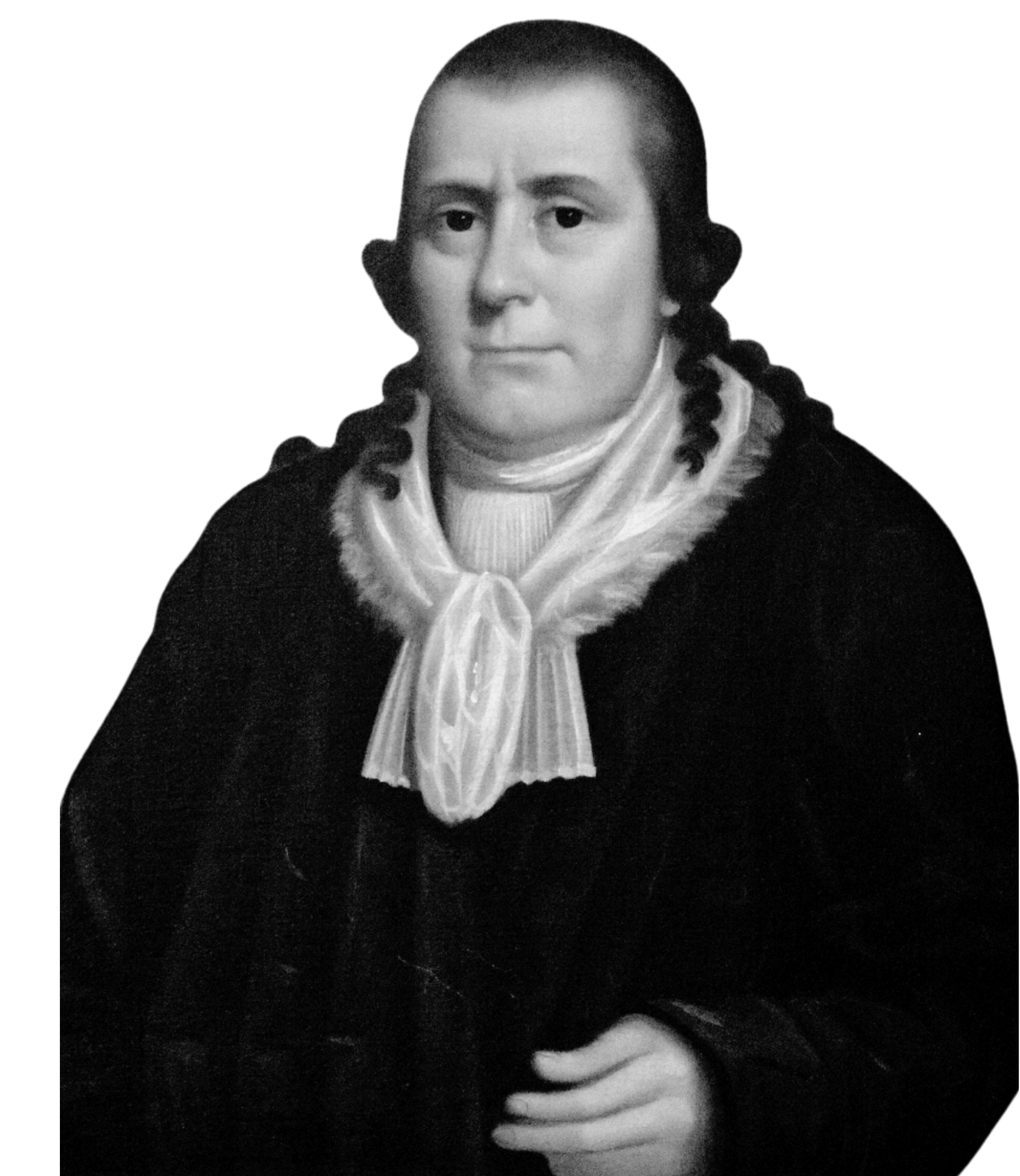
Lucy Gonzalez Parsons
Genderless Evangelist | Rhode Island
Born
1752, Cumberland, Rhode Island
Identity
Genderless spirit; refused all gendered names and pronouns
Known For
Leading a religious movement of hundreds; founding the settlement of Jerusalem, NY
Era
Revolutionary America, 1776 onward
In 1776, the same year the Declaration of Independence was signed and the founding fathers debated what liberty meant, a person in Rhode Island lay gravely ill, hovered at the edge of death, and returned transformed. The person who recovered announced that their former self had died completely. In their place stood a new being: a genderless spirit called the Public Universal Friend. From that day forward, they would answer to no birth name, accept no gendered pronouns, and wear clothing that belonged to neither category society had available.
This was not a quiet private decision. The Friend became one of the most prominent religious figures of the early American republic, a traveling preacher who attracted enormous crowds, gathered hundreds of devoted followers called the Society of Universal Friends, and eventually built an entire community from the ground up. In the 1790s, they led a group of followers to western New York and founded the settlement of Jerusalem, a town that still exists today as Penn Yan, New York.
The Friend preached across New England and the Mid-Atlantic, drawing people who were hungry for a message of free will and universal salvation. They also spoke out against slavery at a time when abolitionist voices were rare and dangerous. Their followers recorded their words carefully. Their estate was managed in their chosen name. Deeds and legal documents were drawn up without gender. The world tried to put them in a box, and they simply refused to get in.
Who They Were
The year America declared independence, they declared themselves.
They were here at the founding and history tried to forget them.
The Public Universal Friend is one of the earliest documented non-binary or genderless people in American history and they were alive when America was born. Their existence directly challenges the claim that LGBTQIA+ identity is a modern invention, a foreign import, or something new to be debated. It is none of those things. It is as old as the republic itself. Today, when legislatures debate whether trans and non-binary people should exist in public life, the Friend's story is an answer. It doesn't argue. It simply points to the record. We were here. We built community. We changed the world. And we did it 250 years ago.
A Moment in Time
When the founders signed one declaration, the Friend lived another.
Picture 1776. The Continental Congress is arguing about the language of freedom in Philadelphia. And in a Rhode Island Quaker community, a person is refusing to be named, refusing to be gendered, and building a religious following that will outlast the Revolution itself. The contrast is almost impossible to hold. The Friend's followers were devoted enough to upend their lives and move across state lines. They described the Friend as having a commanding presence, an extraordinary memory for scripture, and a manner of speaking that held large crowds completely still. Portraits from the era show a figure in a broad-brimmed hat and plain dark coat, deliberately androgynous, deliberately unmistakable.
Their followers kept meticulous journals. The Friend insisted on being referred to only as 'The Friend' — never 'he' or 'she.' When correspondents slipped and used a gendered pronoun, the Friend corrected them. — From the records of the Society of Universal Friends
There are more stories waiting around the corner. →
Their existence was an act of resistance.

The story doesn’t end here. Join us for the more of our 250 Years of Resistance events